Why We Design Gear for Places Like Everest
KiffLab packs have been taken to Everest more than once.

We are proud of that, but not because Everest makes a good marketing line. What interests us is what a place like that demands from the gear you carry.
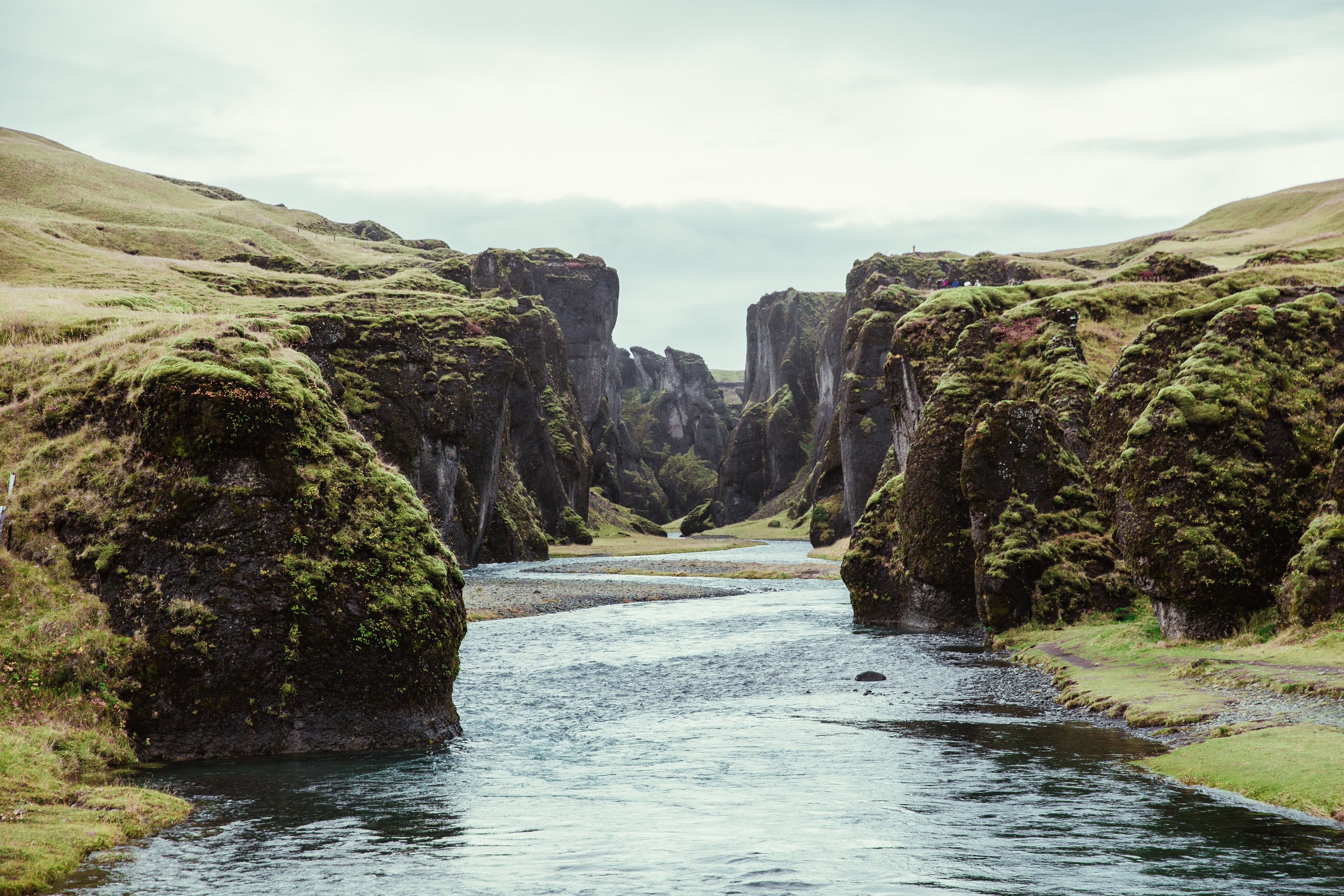
Colin took this photo at Everest Base Camp, 5,364 metres above sea level. By the time a pack gets there it has already dealt with days of travel, cold temperatures, snow, rock, rough handling and constantly changing weather.
That is a pretty good test of whether the decisions made during product development actually make sense.
We design for bad weather
KiffLab started with a simple idea. We wanted to make products that protect your gear from the elements and help you stay outside for longer.
That sounds straightforward, but waterproof gear involves compromises.
Every zipper creates another potential entry point for water. Heavier materials can improve durability but add weight. More pockets can improve organisation but also make a product more complicated.
So rather than asking how many features we can fit onto a product, we tend to ask what each feature actually does.
If it improves protection, durability or usability, it earns its place.
Why roll-top construction works
One of the reasons we use roll-top closures across many of our products is their simplicity.
A conventional backpack often has a long zipper around the main compartment. That gives excellent access, but it also introduces a large opening that needs to resist water.
A properly closed roll-top works differently. The material is folded over itself several times before being secured, reducing the exposed opening and creating multiple layers between the weather and the contents inside.
There is another benefit too. A roll-top can expand or compress depending on how much you are carrying.
That combination of protection and adaptability makes a lot of sense to us.
Materials have to do more than look technical
Outdoor products take a beating.
They get dropped onto rock, thrown into vehicles, dragged across campsites, covered in sand, exposed to salt water and repeatedly packed and unpacked.
Waterproofing is only useful if the product can also handle that repeated use.
That is why material choice matters. We look for a balance between abrasion resistance, flexibility, waterproof performance and weight rather than simply choosing the thickest material available.
There is always a trade-off.
A heavier bag is not automatically a tougher or better bag. The aim is to use enough material to do the job properly without making people carry weight they do not need.
Simple gear usually works better
We like technical products, but we are not interested in adding features simply because they sound good on a specification sheet.
Every additional buckle, zipper, pocket and attachment point adds something to the product. Sometimes that is useful. Sometimes it is just more stuff.
In demanding environments, simplicity has real value.
A pocket should make something easier to access.
A zipper should be there because quick access matters.
A strap should secure something that actually needs securing.
If we cannot explain why a feature exists, we probably should not be adding it.
Everest is the extreme example
Most KiffLab customers are not heading to Everest Base Camp.
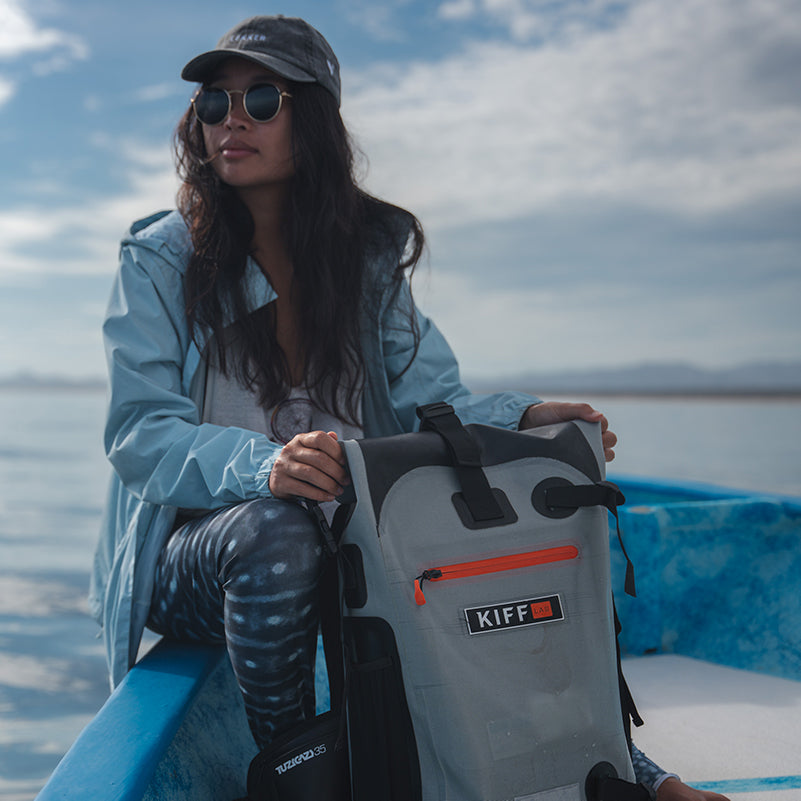
They might be on a boat, travelling through an airport, walking into work in heavy rain, heading to the beach, camping for the weekend or carrying camera gear somewhere they really do not want it getting wet.
But the design problem is fundamentally the same.
Your equipment needs protection, and you need to be able to trust the bag carrying it.
Seeing KiffLab packs used in places like Everest gives us confidence that the basic philosophy works. It also reminds us why we started making this gear in the first place.
Not to create products that look adventurous.
To create products that let people spend more time actually doing it.
Have KiffLab packs been used on Everest?
Yes. KiffLab packs have been used on Everest trips multiple times, including at Everest Base Camp at 5,364 metres.
Their use in environments like the Himalayas reflects the same principles we design around for everyday use. Weather protection, durability, practical organisation and simple construction.
You may never take yours anywhere near Everest.
That is fine.
We still want it designed with the kind of thinking that could.
Make Adventure Possible